
Paskolos studentams studijų finansavimui
 Komentarai (2)
 Kada verta pradėti galvoti apie paskolą ar kreditą studijoms finansuoti?
Kai pateiksite prašymą studijuoti universitete, jūs atrasite, kad mokesčiai už mokslą yra labai dideli. Nebent jūs ar jūsų tėvai turi dideles santaupas, vienareikšmiškai daugelis studentų negali susimokėti už savo studijas be tėvų pagalbos ar paskolos studentams iš banko. Jei jums negausite jokios stipendijos, finansuoti savo studijas savarankiškai atrodys tiesiog neįmanoma, net su vidutinėmis tevų finansinėmis galimybėmis.
Tačiau tai ne bėda – yra daug žemomis palūkanomis studentams prienamų paskolų, vadinamų studentų paskolomis ar kreditais. Nebūtina laukti, kol sutaupysite pinigų mokslams savarankiškai – dabar galite skolintis pinigų ir atidėti mokėjimą, kol baigsite savo studijas ir galiausiai pradėsite dirbti pilnavertį darbą, kurio užmokesčio dėka jūs galite grąžinti tai, ką jūs skolingi bankui ar kitam kreditoriui.
Studentų paskolas dažniausiai administruoja bankai bendru susitarimu su universitetais ar kolegijomis. Kreipkitės į savo kolegiją arba universitetą ir jums bus išsiųsta informaciją apie finansinės paramos paketą. Jūsų bus paprašyta pateikti savo ir savo tėvų finansinę informaciją, taip pagalbos agentūros galės įvertinti jūsų poreikius ir savo gebėjimą suteikti jums reikalinga paskolą.
Tiesa, yra vyriausybės dotacijų, kurios gali suteikti jums pinigų be reikalo juos grąžinti atgal – tai realu mažas pajamas gaunantiems studentams. Tačiau dotacijos yra ribotos ir jums greičiausiai prireiks studentiškos paskolos, kad visiškai finansuotumėte savo švietimo išlaidas.
Didžiausias nemokamas vestuvinių prekių skelbimų tinklalapis Lietuvoje! Vestuviuprekes.lt – Aksesuarai, vestuvinės suknelės ir kita apranga, juvelyriniai dirbiniai, dekoracijos, kvepalai, alavinė, dovanos ir suvenyrai.
Skaityti visą straipsnį 'Paskolos studentams studijų finansavimui'»


 Skirtingai nei tradiciniai tiesintuvai, šis prietaisas naudoja infraraudonuosius spindulius, kurie skverbiasi giliau į plaukų šerdeną. Tai leidžia šilti plaukus iš vidaus, mažinant paviršinį šilumos pažeidimą.
 Visos plaukų spalvos gaunamos iš vieno iš trijų tipų pigmentų: raudono pigmento, vadinamo feomelaninu, geltono pigmento, vadinamo eumelaninu, ir juodo pigmento, vadinamo antracenu. Plaukų spalva priklauso nuo kiekvieno pigmento kiekio plaukuose. Plaukų dažymas – tai procesas, kurio metu plaukai dažomi cheminiais dažais, kad įgautų naują spalvą. Labiausiai paplitęs plaukų dažymo būdas yra ilgalaikis plaukų dažymas, dar vadinamas pusiau ilgalaikiu plaukų dažymu arba laikinu plaukų dažymu, kai plaukai apdorojami cheminėmis medžiagomis, kad pasikeistų jų spalva. Laikinas plaukų dažymas atliekamas naudojant dažymo priemones, skirtas spalvai nusodinti ant plauko paviršiaus, o ilgalaikis plaukų dažymas atliekamas naudojant dažymo priemones, kurios suardo ir pašalina natūralius plaukų pigmentus, kad plaukai taptų vienodos spalvos.
 Yra daug painiavos dėl CBD aliejaus naudos. Atlikta daug tyrimų apie CBD aliejų ir jo veiksmingumą, tačiau jie dažnai būna prieštaringi. CG naudojimo būdai skiriasi priklausomai nuo asmens ir jo situacijos. Pabandysime paaiškinti dažniausiai pasitaikančius CBD aliejaus naudojimo būdus. – Atsipalaidavimas ir streso mažinimas – nerimo sutrikimas yra dažna problema, kuri gali paliesti mus tam tikru gyvenimo laikotarpiu. Tai nėra silpnumo požymis; tai normali reakcija į aplinką, kurioje gyvename. – Miego sutrikimai- CBD aliejus gali būti naudojamas miego kokybei gerinti. Miegas yra būtinas gerai sveikatai. Jis skirtas organizmo detoksikacijai ir regeneracijai, tačiau taip pat gali gydyti nerimą, depresiją ir stresą. – Ligos, susijusios su nerimu ar depresija- Vėžys, lėtinis skausmas, obsesinis-kompulsinis sutrikimas, valgymo sutrikimai, fibromialgija ir kt. – Neurologinės sistemos ligos- Epilepsija, Parkinsono liga, Alzheimerio liga ir kt. – Kitos ligos – dirgliosios žarnos sindromas, Krono liga, diabetas ir kt. – Grožio ir estetinis gydymas – spuogai, sausa oda, raukšlės, psoriazė ir kt.
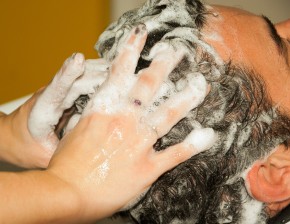 Drąsiai galima teigti, kad plaukai yra neatsiejama kiekvieno žmogaus įvaizdžio dalis. Tačiau, kad ir kaip norėtume, ne visi galime džiaugtis nepriekaištinga jų bukle. Būtina pastebėti tai, kad visą tai pasiekti gali būti tikrai labai nelengva. Be jokios abejonės, labai daug lemia tai, koks yra mūsų genetinis fondas šiuo aspektu. Verta pabrėžti tai, kad tai lemia ne tik plauko išorines, tačiau ir esmines vidines savybes. Tarkime, genai formuoja ne tik plauko palvą, tačiau lemia ir jų kiekį, struktūrą, būklę. Drąsiai galima teigti, kad vien tai nepriekaištingos išvaizdos jūsų plaukams tikrai negarantuoja. Būtina, kad jais būtų rūpinamasi nuolat. Kasdienė priežiūra jiems yra be galo svarbi. Žinoma, turime pasirūpinti ne tik esminiais higienos principais, tačiau ir kosmetiniais aspektai. Kalbant apie higienai būtinus ritualus, negalime pamiršti to, kad tam yra reikalingas ne tik tyras vanduo, tačiau ir tokios priemonės kaip šampūnas, kondicionierius, balzamas, plaukų kaukė ir pan. Jų dėka galima pamaitinti plaukus iš vidaus. Labai svarbu pastebėti tai, kad plaukai yra labai jautrūs aplinkos veiksniams. Juos labai lengvai gali paveikti ne tik klimatinės sąlygos, besikeičianti oro temperatūra, tačiau ir naudojamos papildomos priemonės. Be jokios abejonės, tai puikiai žinomas plaukų tiesintuvas, bangavimui ar kitomiam plaukų formavimui skirtas įrenginys. Jos labai lengvai gali pažeisti plaukus iš vidaus. Dėl šios priežasties kartu yra būtina naudoti ir įvairias apsauginį sluoksnį formuojančias priemones. O ką jau ir kalbėti apie nuolat dažomus plaukus. Labai svarbu paminėti tai, kad jiems itin kenkia naudojamas peroksidas. Taigi, tai labai aktualu tiems, kurie šviesina plauką.
 Kiekvienas kuris auginą augintinius žino kaip svarbu yra prižiūri jį ir jo sveikatą. Dažnai kai kurie asmenys negalvoja apie tai, kad gyvūnui yra svarbi ir profilaktinė apžiūra, po kurios dažniausiai vis vien yra randama tam tikrų sveikatos sutrikimų kuriuos reikia prižiūrėti, kad gyvūnui laikui bėgant nekiltų tam tikrų rimtų sveikatos problemų. Tiesa kai kurie asmenys į veterinarus nesikreipia nei tada kai mato, kad augintinis negaluoja ir jie tiesiog mano, kad atėjus tam tikram laikui viskas savaime susitvarkys. Tačiau
 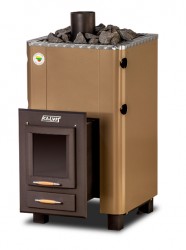 Nuolatos augant dujų kainoms, kieto kuro katilai yra laikomi vienu pigiausių šildymo būdų, kuriam naudojamos medienos malkos, briketai ar akmens anglys. Lyginant su dujiniais katilais, kieto kuro naudojimas šildymo išlaidas leidžia sumažinti mažiausiai dvigubai. Iš kitos pusės, nereikėtų pamiršti, kad toks šildymo būdas reikalauja gana daug laiko ir jėgų, kadangi kietąjį kurą reikia parnešti namo, sandėliuoti, pats katilas turi būti dažnai kūrenamas, nepamirštant nuolatinių jo valymo darbų. Ekspertai primena, kad kieto kuro katilų negalima ilgesniam laikui palikti be priežiūros. Kitaip sakant, šaltuoju metų laiku tradiciniai kieto kuro katilai turi būti kūrenami kasdien.